
 Image 1 of 3
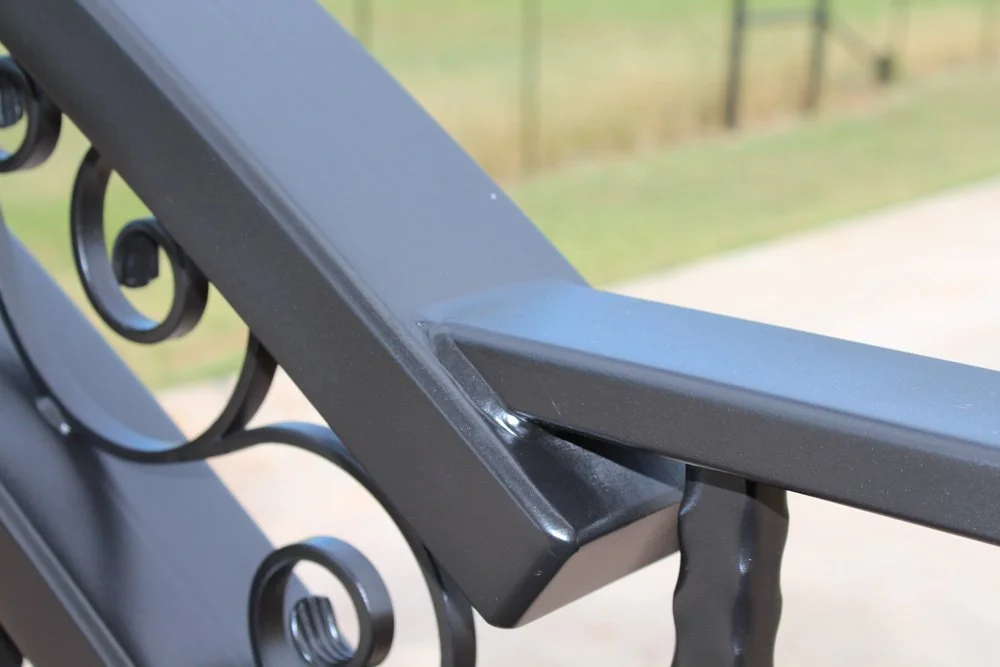 Image 2 of 3
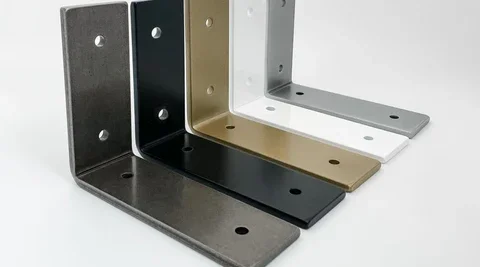 Image 3 of 3
Steel Powder Coating
Powder coating for steel provides a durable, high-performance finish ideal for protecting metal surfaces from corrosion, abrasion, and weathering. This dry finishing process uses electrostatically applied thermoplastic or thermoset powder that is fused under heat to form a continuous, hard film. The result is a uniform, resilient coating that resists chipping, scratching, fading, and chemical exposure while delivering a clean, attractive appearance.
Key features:
Superior corrosion resistance suitable for indoor and outdoor steel structures
Excellent impact and abrasion resistance for high-traffic or industrial applications
Wide range of colors and textures, including gloss, satin, matte, metallic, and textured finishes
Environmentally friendly: low VOC emissions and minimal overspray waste, with unused powder reclaimable
Consistent coverage on complex shapes and hard-to-reach areas
Long-lasting color retention and UV stability with appropriate powder selection
Typical applications:
Architectural steelwork: railings, gates, façades, window frames
Industrial equipment: machinery housings, shelving, racks
Automotive and transportation components
Outdoor furniture, playground equipment, and signage
Security products: doors, grilles, barriers
Process overview:
Surface preparation: cleaning and blast or chemical pretreatment to remove rust, oils, and contaminants and ensure adhesion.
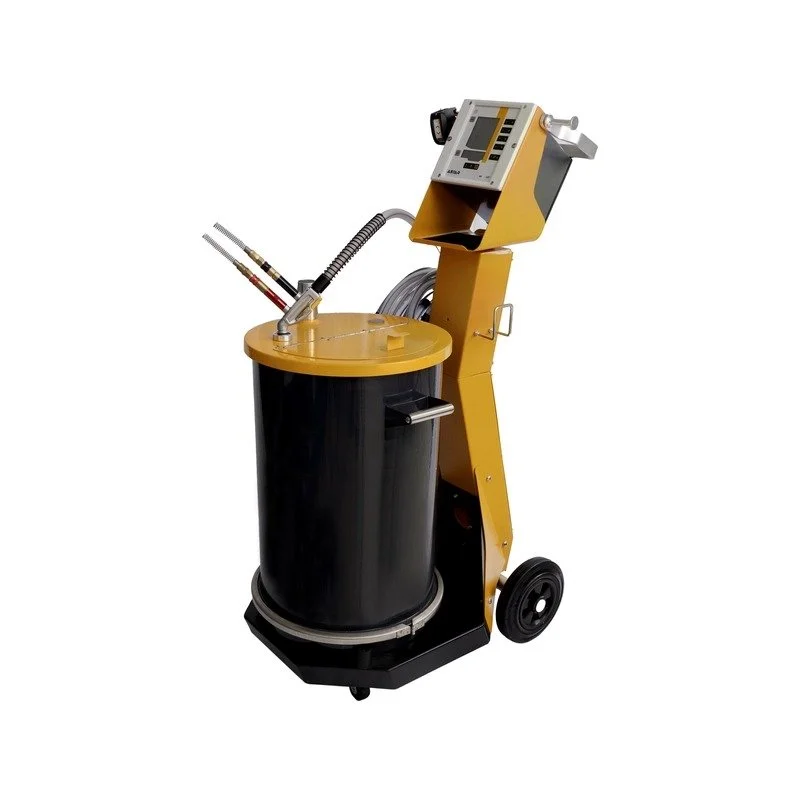
Application: electrostatic spraying or fluidized bed application of powder onto grounded steel parts.
Curing: controlled baking in an oven to melt and chemically crosslink the powder, forming a tough, bonded finish.
Inspection and testing: visual and performance checks to confirm even coverage, adhesion, thickness, and appearance.
Specifications and options:
Film thickness: typically 40–120 microns (1.6–4.7 mils) depending on application
Powder types: epoxy, polyester, epoxy-polyester hybrid, polyurethane, PTFE for specialized uses
Corrosion protection: optional primer systems and chromate-free pretreatments for enhanced durability
Custom color matching and texture formulation available to meet project requirements
Maintenance:
Routine cleaning with mild detergent and water; avoid harsh solvents and abrasive cleaners
Prompt touch-up of damaged areas to maintain corrosion protection
Periodic inspection for mechanical damage or coating degradation in extreme environments
At Tandisa Metalworks & Security Systems, our powder-coating services for steel combine rigorous surface preparation, precision application, and certified curing processes to deliver long-lasting protective finishes tailored to your performance and aesthetic needs.
Steel Powder Coating
Powder coating for steel provides a durable, high-performance finish ideal for protecting metal surfaces from corrosion, abrasion, and weathering. This dry finishing process uses electrostatically applied thermoplastic or thermoset powder that is fused under heat to form a continuous, hard film. The result is a uniform, resilient coating that resists chipping, scratching, fading, and chemical exposure while delivering a clean, attractive appearance.
Key features:
Superior corrosion resistance suitable for indoor and outdoor steel structures
Excellent impact and abrasion resistance for high-traffic or industrial applications
Wide range of colors and textures, including gloss, satin, matte, metallic, and textured finishes
Environmentally friendly: low VOC emissions and minimal overspray waste, with unused powder reclaimable
Consistent coverage on complex shapes and hard-to-reach areas
Long-lasting color retention and UV stability with appropriate powder selection
Typical applications:
Architectural steelwork: railings, gates, façades, window frames
Industrial equipment: machinery housings, shelving, racks
Automotive and transportation components
Outdoor furniture, playground equipment, and signage
Security products: doors, grilles, barriers
Process overview:
Surface preparation: cleaning and blast or chemical pretreatment to remove rust, oils, and contaminants and ensure adhesion.
Application: electrostatic spraying or fluidized bed application of powder onto grounded steel parts.
Curing: controlled baking in an oven to melt and chemically crosslink the powder, forming a tough, bonded finish.
Inspection and testing: visual and performance checks to confirm even coverage, adhesion, thickness, and appearance.
Specifications and options:
Film thickness: typically 40–120 microns (1.6–4.7 mils) depending on application
Powder types: epoxy, polyester, epoxy-polyester hybrid, polyurethane, PTFE for specialized uses
Corrosion protection: optional primer systems and chromate-free pretreatments for enhanced durability
Custom color matching and texture formulation available to meet project requirements
Maintenance:
Routine cleaning with mild detergent and water; avoid harsh solvents and abrasive cleaners
Prompt touch-up of damaged areas to maintain corrosion protection
Periodic inspection for mechanical damage or coating degradation in extreme environments
At Tandisa Metalworks & Security Systems, our powder-coating services for steel combine rigorous surface preparation, precision application, and certified curing processes to deliver long-lasting protective finishes tailored to your performance and aesthetic needs.